presented by

An Affiliate
Organization of
Organization of
Made possible
by the generous
support of
by the generous
support of
Retelling the history of net art from the 1980s to the 2010s.
Devised in concert with Rhizome's acclaimed digital preservation department, Net Art Anthology aims to address the shortage of historical perspectives on a field in which even the most prominent artworks are often inaccessible. The series takes on the complex task of identifying, preserving, and presenting 100 exemplary works in a field characterized by broad participation, diverse practices, promiscuous collaboration, and rapidly shifting formal and aesthetic standards, sketching a possible net art canon.
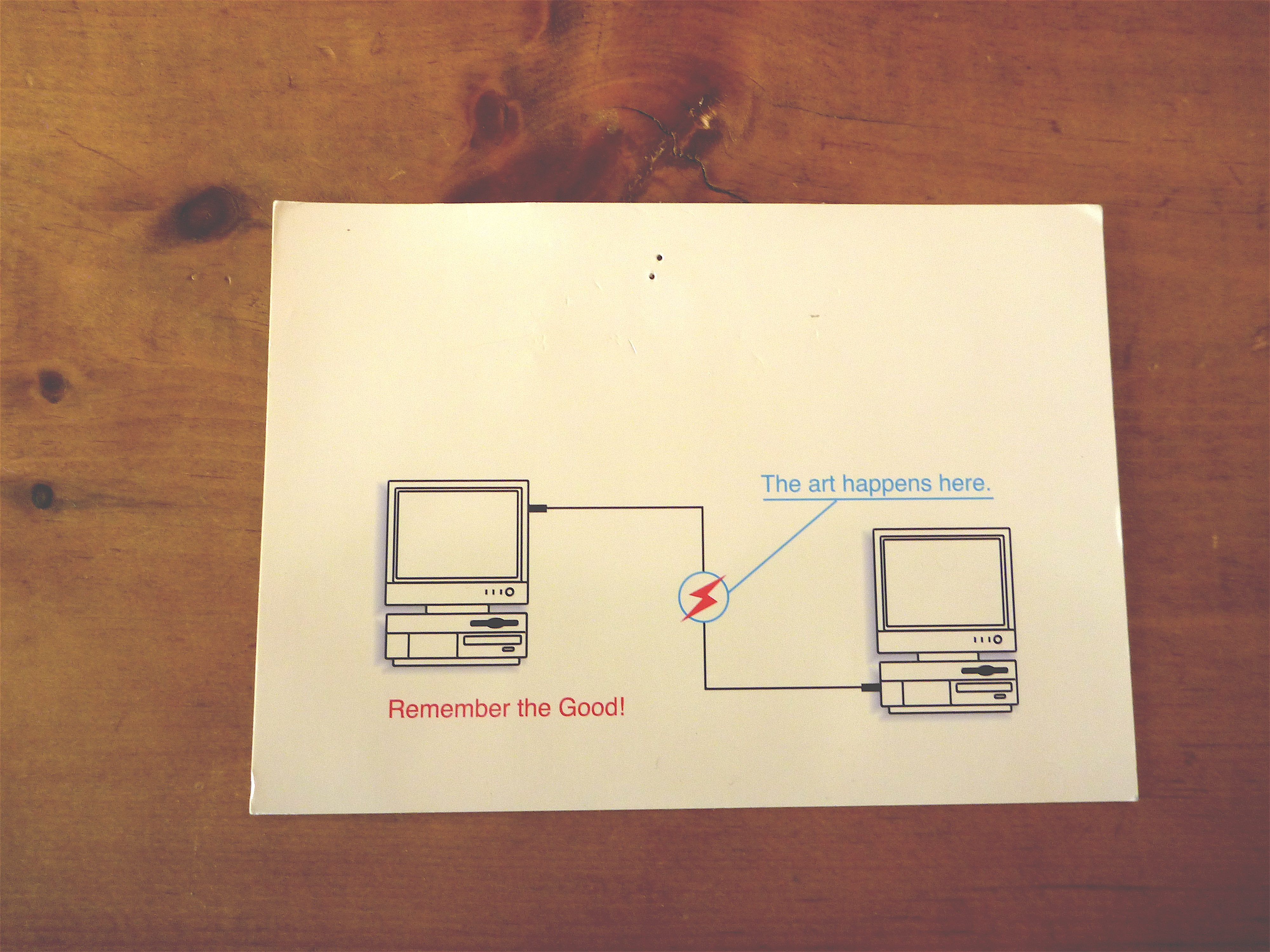
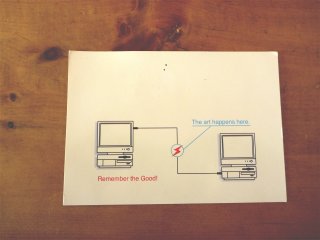
This project was accompanied by a gallery exhibition, "The Art Happens Here," which was premiered at the New Museum in NYC in winter 2019, and will undertake a national tour through 2020. Alongside, Rhizome published a 440-page catalogue detailing the whole project — buy it today!
Net Art Anthology was launched in 2016 and completed in June 2019. Additional material related to Anthology works, as well as updated restorations may be added from time to time into the future.
CHAPTER 5: 1984-2016 (REPRISE)


06/25/19
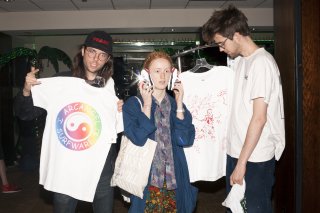
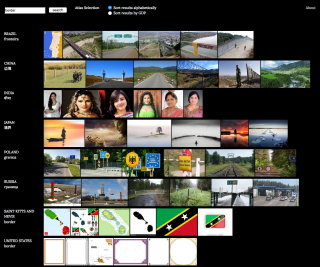
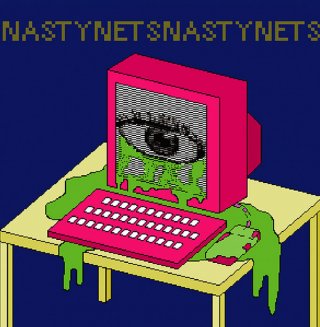 Nasty Nets
JOHN MICHAEL BOLING, JOEL HOLMBERG, GUTHRIE LONERGAN, MARISA OLSON, ET AL
2006
- 2012
Nasty Nets
JOHN MICHAEL BOLING, JOEL HOLMBERG, GUTHRIE LONERGAN, MARISA OLSON, ET AL
2006
- 2012
Nasty Nets
JOHN MICHAEL BOLING, JOEL HOLMBERG, GUTHRIE LONERGAN, MARISA OLSON, ET AL
2006
- 2012
CHAPTER 1: 1984-1998
10/27/16
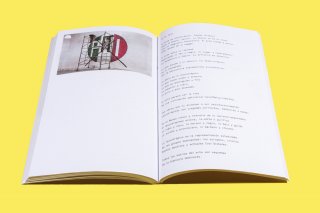
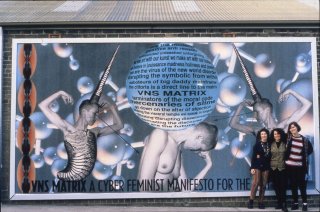 A Cyberfeminist Manifesto for the 21st Century
VNS Matrix (Josephine Starrs, Julianne Pierce, Francesca da Rimini, and Virginia Barratt)
1991
A Cyberfeminist Manifesto for the 21st Century
VNS Matrix (Josephine Starrs, Julianne Pierce, Francesca da Rimini, and Virginia Barratt)
1991
A Cyberfeminist Manifesto for the 21st Century
VNS Matrix (Josephine Starrs, Julianne Pierce, Francesca da Rimini, and Virginia Barratt)
1991

CHAPTER 2: 1999-2004
CHAPTER 3: 2005-2010

06/01/18
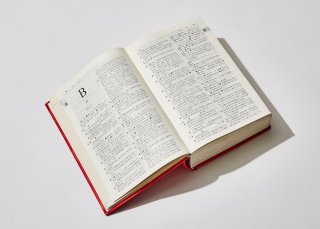
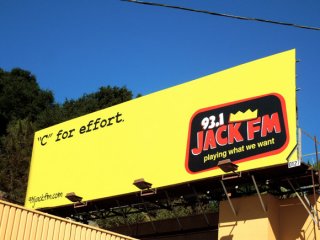
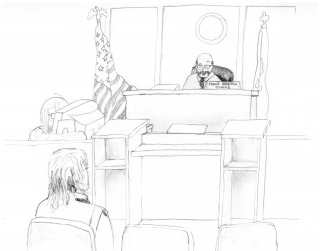
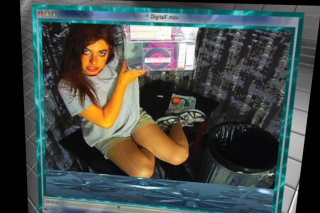
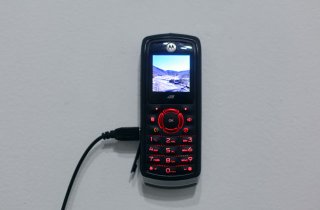 Transborder Immigrant Tool
Electronic Disturbance Theater 2.0/b.a.n.g. lab (Micha Cárdenas, Amy Sara Carroll, Ricardo Dominguez, Elle Mehrmand, and Brett Stalbaum)
2007
- ongoing
Transborder Immigrant Tool
Electronic Disturbance Theater 2.0/b.a.n.g. lab (Micha Cárdenas, Amy Sara Carroll, Ricardo Dominguez, Elle Mehrmand, and Brett Stalbaum)
2007
- ongoing
Transborder Immigrant Tool
Electronic Disturbance Theater 2.0/b.a.n.g. lab (Micha Cárdenas, Amy Sara Carroll, Ricardo Dominguez, Elle Mehrmand, and Brett Stalbaum)
2007
- ongoing
06/20/18
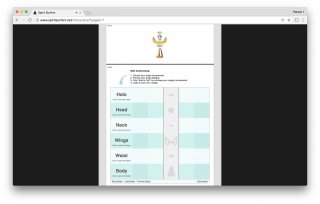 Spirit Surfers
Kevin Bewersdorf, Paul Slocum, Marcin Ramocki, Ethan Hayes-Chute, John Transue, Luke Murphy, Krist Wood, Aron Namenwirth, Harm van den Dorpel, Dragan Espenschied, Travis Hallenbeck, Olia Lialina, Peter Wilson, Patrick Armstrong, Patrick Groth, Peter Blasser, Chad Hopper, Rachel Abelson, Petra Cortright
2008
- ongoing
Spirit Surfers
Kevin Bewersdorf, Paul Slocum, Marcin Ramocki, Ethan Hayes-Chute, John Transue, Luke Murphy, Krist Wood, Aron Namenwirth, Harm van den Dorpel, Dragan Espenschied, Travis Hallenbeck, Olia Lialina, Peter Wilson, Patrick Armstrong, Patrick Groth, Peter Blasser, Chad Hopper, Rachel Abelson, Petra Cortright
2008
- ongoing
Spirit Surfers
Kevin Bewersdorf, Paul Slocum, Marcin Ramocki, Ethan Hayes-Chute, John Transue, Luke Murphy, Krist Wood, Aron Namenwirth, Harm van den Dorpel, Dragan Espenschied, Travis Hallenbeck, Olia Lialina, Peter Wilson, Patrick Armstrong, Patrick Groth, Peter Blasser, Chad Hopper, Rachel Abelson, Petra Cortright
2008
- ongoing
CHAPTER 4: 2011-2016
11/16/18
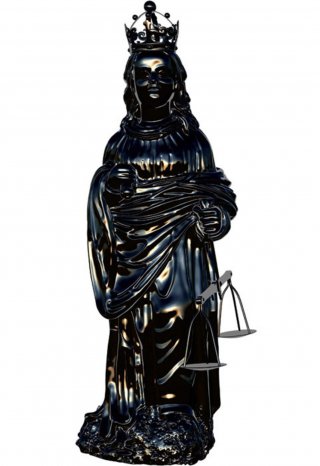
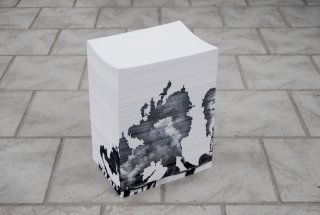
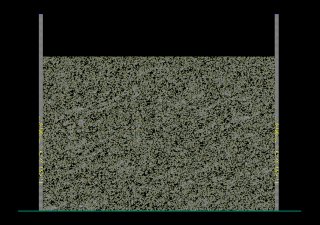
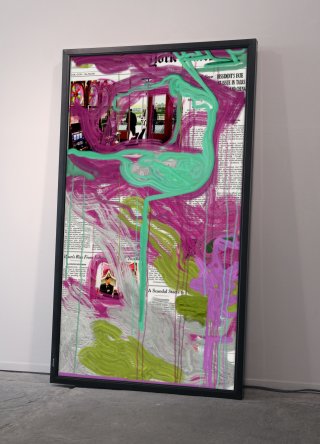
 Contra-Internet Inversion Practice #1: Constituting an Outside (Utopian Plagiarism)
Zach Blas
2015
Contra-Internet Inversion Practice #1: Constituting an Outside (Utopian Plagiarism)
Zach Blas
2015
Contra-Internet Inversion Practice #1: Constituting an Outside (Utopian Plagiarism)
Zach Blas
2015

06/04/19
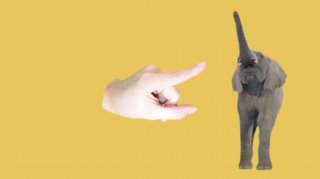
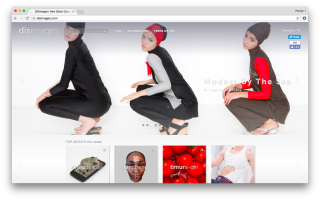 DIS Images
DIS (LAUREN BOYLE, SOLOMON CHASE, MARCO ROSO, DAVID TORO, AND COLLABORATORS)
2013
DIS Images
DIS (LAUREN BOYLE, SOLOMON CHASE, MARCO ROSO, DAVID TORO, AND COLLABORATORS)
2013
DIS Images
DIS (LAUREN BOYLE, SOLOMON CHASE, MARCO ROSO, DAVID TORO, AND COLLABORATORS)
2013
Rhizome Staff
- Mark Beasley, Senior Front-End Developer, Webrecorder
- Michael Connor, Artistic Director
- Aria Dean, Assistant Curator of Net Art
- Dragan Espenschied, Preservation Director
- Zachary Kaplan, Executive Director
- Nora N. Khan, Special Projects Editor
- Ilya Kreymer, Software Director
- Lyndsey Jane Moulds, Software Curator
- Pat Shiu, Associate Director, Design
- Lauren Studebaker, Community Manager
- Paul Soulellis, Contributing Editor
Site Design
- Lukas Eigler-Harding
Advisors (Chapters 1 and 2)
- Inke Arns
- Josephine Bosma
- Steve Dietz
- Ricardo Dominguez
- Auriea Harvey
- Brian MacKern
- Monica Narula
- Mendi + Keith Obadike
ADDITIONAL SUPPORT
Google & Google Arts & Culture generously support Rhizome's digital preservation program.
| Presented By | |
| An Affiliate Organization of |
|
| Made possible by the Generous Support Of |
|